
What Will Your Photographic Story Contribute to Our Audio Visual Night on April 14 2026
Every photograph tells a story, but when images come alive with music, they create an experience that goes beyond words. On Wednesday, 14th April 2026 at 7.30 pm, our Audio Visual Night offers a unique platform to share your photographic stories set to music. This event has consistently sparked curiosity, inspiration, and meaningful conversations. What will your entry bring to this gathering?
This blog post explores how to craft a compelling audiovisual presentation, the impact your story can have, and practical tips for preparing for the night. Whether you are a seasoned photographer or a passionate hobbyist, this event invites you to connect with others through the power of images and sound.
The Power of Photographic Storytelling with Music
Photographs capture moments frozen in time, but pairing them with music adds emotion and rhythm, transforming a simple slideshow into a moving narrative. Music guides the viewer’s feelings, highlights key moments, and creates a flow that keeps the audience engaged.
Think about your favourite photo series. What if those images were accompanied by a soundtrack that echoed the mood or theme? For example:
A series of nature photos paired with gentle acoustic melodies can evoke calm and reflection.
Urban scenes set to upbeat jazz or electronic music can bring energy and vibrancy.
A travel story with traditional music from the featured country adds authenticity and cultural depth.
By combining your images with carefully chosen music, you invite viewers to experience your story on multiple sensory levels.
What Makes a Strong Entry for Audio Visual Night
The success of your entry depends on how well you blend images and music to tell a clear, engaging story. Here are key elements to consider:
1. Clear Theme or Message
Choose a central idea or emotion you want to convey. This could be:
A personal journey or transformation
A celebration of a place or culture
An exploration of a social issue
A creative experiment with light and colour
Having a clear focus helps your audience follow the narrative and connect emotionally.
2. Thoughtful Image Selection
Select photos that support your theme and flow logically. Avoid random or unrelated images. Instead, arrange them to build a story arc:
Introduction: Set the scene or mood
Development: Show progression or contrast
Conclusion: Provide resolution or reflection
3. Music Choice and Timing
Pick music that complements your images without overpowering them. Pay attention to:
Tempo matching the pace of image changes
Volume levels that allow the photos to shine
Lyrics or instrumental pieces that fit your story’s tone
4. Technical Quality
Ensure your images are high resolution and properly edited for brightness, contrast, and color balance. Smooth transitions and synchronization with music enhance professionalism.
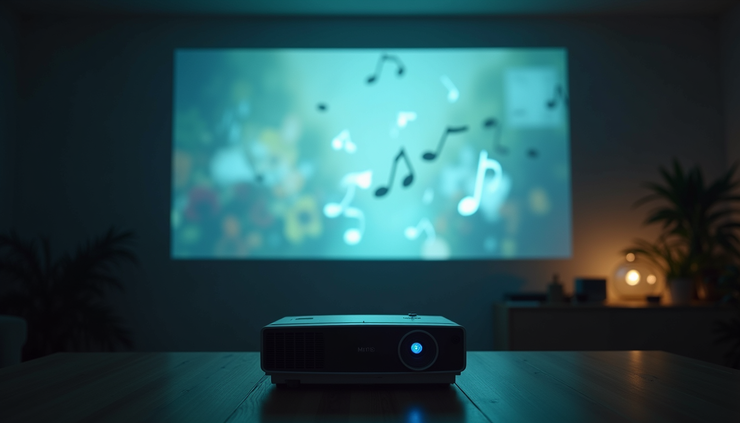
Photographic slideshow projected during Audio Visual Night
Preparing Your Presentation Step-by-Step
Creating an audiovisual presentation may seem daunting, but breaking it down into manageable steps makes the process enjoyable and rewarding.
Step 1: Define Your Story
Write a brief outline of what you want to express. Ask yourself:
What is the core message?
What emotions do I want to evoke?
Who is my audience?
Step 2: Gather and Edit Photos
Choose 20 to 40 images that fit your story. Edit them for consistency in style and quality. Tools like Adobe Lightroom or free alternatives such as Darktable can help.
Step 3: Select Music
Look for music that matches your story’s mood. Use royalty-free music libraries like Free Music Archive or Incompetech if you don’t have original tracks.
Step 4: Use Software to Combine Images and Music
Programs like Adobe Premiere Pro, iMovie, Photopia (formerly ProShow Producer):, WNSoft PTE AV Studio (formerly PicturesToExe): or free options like Shotcut allow you to create slideshows with music. Focus on:
Timing images to music beats or phrases
Adding smooth transitions
Avoiding abrupt cuts or overly long stills
Step 5: Review and Refine
Watch your presentation multiple times. Ask friends or fellow photographers for feedback. Adjust pacing, image order, or music volume as needed.
Examples of Impactful Audiovisual Stories
To inspire your creativity, here are examples of photographic stories that have resonated in past Audio Visual Nights:
A Journey Through Seasons: A photographer captured the same forest over a year, showing changes from spring blooms to winter snow. Set to a classical piano piece, the presentation highlighted nature’s cycles and the passage of time.
Faces of a Community: Portraits of residents paired with their favourite songs created a heartfelt tribute to diversity and shared humanity.
Urban Reflections: Nighttime cityscapes combined with ambient electronic music conveyed the energy and solitude of urban life.
Each of these stories used images and music to create a mood and invite viewers into a deeper understanding.
Tips to Make Your Story Stand Out
Keep it concise: Aim for 5 to 10 minutes. Too long can lose attention.
Use variety: Mix wide shots, close-ups, and details to maintain interest.
Tell a personal story: Authenticity connects better than generic themes.
Test your presentation on different devices: Ensure it looks and sounds good everywhere.
Practice your introduction: If you speak before your presentation, prepare a brief, engaging intro.
Do not put your name to the audiovisual - leave the audience guessing.
Your photographic story has the potential to inspire, inform, or move others. Audio Visual Night is more than a display; it is a shared experience where images and music come together to create meaning.


Comments